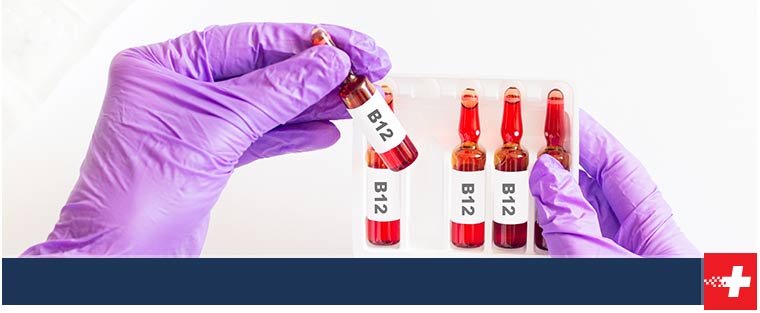
Pre-treatment testing should include: Complete Blood Count (CBC) To measure blood cell levels To check platelet numbers To identify other blood abnormalities Comprehensive Metabolic Panel To check potassium levels To evaluate kidney function To assess liver function To check other essential minerals in blood Heart Health Assessment Especially in elderly patients Those with known heart conditions Patients with risk factors for blood clots Recommendations for Safe B12 Use Always get appropriate blood tests before starting B12 therapy Consider slower replacement protocols in high-risk patients: Elderly individuals Those with severe deficiency Patients with heart conditions Those with poor nutrition Regular monitoring during treatment: Potassium levels Platelet counts Heart health Nerve symptoms Early intervention for complications: Potassium replacement when needed Blood-thinning medications in high-risk cases Careful management of fluid levels Treatment of nerve symptoms For Off-Label Use: Consult healthcare providers before starting Undergo proper medical screening Watch for side effects Regular medical supervision Know warning signs Conclusion While B12 replacement therapy is crucial for treating deficiency, it carries significant risks that can be minimized through proper pre-treatment testing and monitoring

Gut Dysbiosis Your gut is the home of trillions of bacteria
Between 5.7 and 6.4 means that you have prediabetes and a high risk of developing diabetes, and over 6.4 means that you have diabetes
5-Amino-1MQ Synonyms / Designations: 5-Amino-1-methylquinolinium, 5-Amino-1-MQ, NNMT inhibitor analog CAS Number: 42464-96-0 Molecular Formula: C10H11N2+ (monocationic quaternary ammonium) Molecular Weight: ~159.21 g/mol Purity: 98.5 % (HPLC, typical) Appearance: Off-white to pale yellow crystalline powder Pack Size: 10 mg (total) Storage: Desiccated, protected from light, stored at 20 C Solubility: Soluble in water, dilute acids
Higher levels of the amino acid homocysteine may be associated with a higher risk of heart attack and stroke
The STEP 4 withdrawal trial showed that most participants regained approximately two-thirds of lost weight within one year of discontinuation, confirming that semaglutide treats obesity chronically rather than curing it